
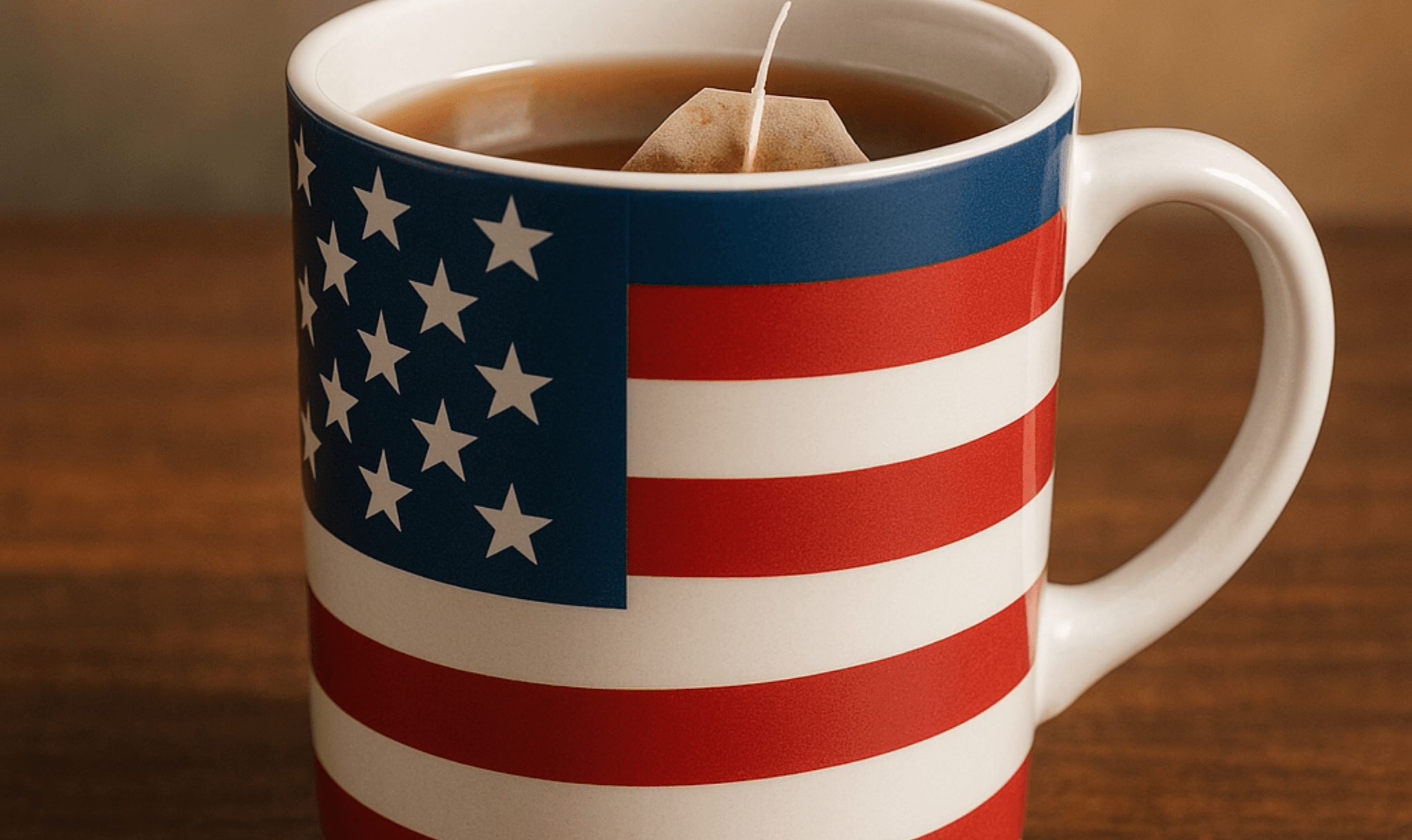
Tsara Tea – For most Americans, tea has always been a quiet staple — a comforting cup in the morning, a calm ritual in the afternoon, or the iced drink that defines much of the South. But beneath that simple pleasure lies a global supply chain that has recently grown tangled, uncertain, and unexpectedly political. As new rounds of tariffs continue to unsettle the U.S. import market, the consequences are spilling far beyond warehouses and customs desks. They are reshaping prices, squeezing small businesses, and raising questions about the future of an industry that relies almost entirely on foreign growers.
Tea is one of the most globalized commodities on earth. The United States does not produce anywhere near enough tea to meet domestic demand; American farms account for only a fraction of what the country consumes. The vast majority of tea — black, green, oolong, herbal, and specialty varieties — enters the U.S. through large import hubs on the East and West coasts. That dependency on foreign supply has always made the industry vulnerable to shifts in trade policy. But the recent tariff environment is proving especially disruptive.
A Sudden Spike in Costs
In the past year, tea import tariffs have surged to levels not seen in modern trade history. In some months, duties on tea entering the U.S. have multiplied more than tenfold compared to the previous year. Importers who once paid negligible fees on shipments now find themselves facing invoices padded with 8%, 10%, and even 12% tariffs — all on essential raw goods with tight margins.
These numbers may seem small, but in the tea world, where per-pound profits are thin and competition is global, the impact is acute. A specialty tea that retailed for $18 a pound can suddenly jump to $26 or $30, even before accounting for packaging, transport, and distribution. For many small importers, those added costs aren’t manageable. They either pass the burden to customers — risking lost sales — or absorb the losses themselves, hoping for eventual policy relief.
Small Importers Feel the Sharpest Pain
Large companies selling mainstream supermarket brands often have enough cushion, capital, and forward contracts to weather short-term volatility. But the specialty tea industry — made up of independent importers, boutique retailers, small tea rooms, and family-run estates — has no such shield.
For the smaller players, tariffs compound a series of existing challenges: unstable shipping rates, fluctuating currency values, supply-chain bottlenecks, and rising labor and packaging costs. Even items adjacent to tea — teapots, tins, labels, bamboo accessories — have become more expensive due to tariffs on metals and manufacturing components.
For many businesses already operating on razor-thin margins, these new costs represent a breaking point. Some have reduced their catalogues, discontinuing rare or single-origin teas that now cost too much to import. Others have postponed hiring plans, delayed expansions, or paused marketing efforts simply to free up cash for tariff payments at the port.
The result is a contraction of choice for American consumers — a quieter but real loss in a category driven by global diversity.
Price Increases Ripple Through Consumers
The immediate impact for tea drinkers is visible on the shelves. Prices for specialty teas — particularly those from Taiwan, Japan, India, and Sri Lanka — have increased noticeably. Some beloved varieties have doubled in price over the past two years. Others have disappeared entirely from small shops, replaced by blends with more common, less expensive bases.
For customers accustomed to stability, the sudden jumps in price are jarring.
Tea traditionally occupies a unique psychological space. Unlike coffee, which endured multiple price booms in the last decade, tea has remained remarkably steady. Consumers expect predictability. Now, that predictability is evaporating, and retailers report more frequent questions from customers asking why their once-affordable favorites now feel luxurious.
The Long Shadow of Trade Policy
Although some tariffs have been paused or adjusted, the effects of earlier duty increases continue to ripple through the market. The tea imported last year — or even six months ago — was purchased under the higher tariff rules, and businesses are still clearing that inventory. Even if tariffs were removed tomorrow, their financial consequences would take a year or more to unwind.
Importers warn that an unstable trade environment damages planning cycles and increases risk for everyone involved in the chain — from estate owners abroad to independent tea shops in the U.S.
A Global Industry, a Local Impact
Beyond economics, the upheaval reveals something deeper about the interconnectedness of the modern tea system. Every tea leaf sold in America carries with it the labor of workers in Assam, Yunnan, Nuwara Eliya, Uji, or Malawi. Hundreds of thousands of families depend on tea cultivation as a primary livelihood. When the U.S. market tightens, the effects travel back to the farms themselves.
Some estates have reported reduced orders from American buyers. Others are pushing production toward countries with more favorable trade agreements. If these shifts continue, the U.S. risks losing long-standing relationships with tea regions that have supplied American drinkers for generations.
What Comes Next?
Economists expect tea tariffs to remain a live issue for months. Even if new agreements emerge, the damage has already reshaped parts of the sector. Businesses will recover, but the path will be uneven. The specialty tea market may consolidate, leaving consumers with fewer choices and higher prices. Newer importers may disappear, unable to absorb additional shocks.
In a nation where coffee often dominates the beverage conversation, tea’s challenges may not always make headlines. But they matter. They reveal what happens when global trade disruptions reach the aisles of everyday life — and how delicate the balance truly is between a simple cup of tea and the complex world behind it.
Tea has survived wars, revolutions, and centuries of shifting empires. It will survive tariffs, too.
But for now, the world’s most ancient beverage is facing a modern problem — and the costs are steepening with each passing shipment.